periodontal and dental implants logo 01
Medically Reviewed By Periodontal & Implant Surgeons of Houston
22 October 2026
Home » Dental Implants » Gum Growing Over a Dental Implant Healing Cap: Normal Healing or a Sign to Call Your Surgeon?

Gum Growing Over a Dental Implant Healing CapA dental implant is not always meant to be visible while it heals. The important detail is whether gum coverage was part of the original plan or a change from what your surgeon expected.

If you notice gum growing over a dental implant, consider whether the implant was intended to heal beneath the tissue or whether a previously visible component now appears covered. That distinction helps your treating team determine the appropriate next step.

Why Some Dental Implants Heal Beneath the Gum

Some implant procedures follow a two-stage approach. The implant is placed, the gum is closed over it, and the area heals beneath the surface before a second procedure exposes the implant. If your surgeon planned this type of submerged healing, gum tissue covering the site is expected. It does not, by itself, suggest that anything has gone wrong.

The practice’s dental implant timeline explains how healing, implant integration, and restoration can occur in separate stages depending on the treatment plan.

What a Healing Cap or Healing Abutment Does

With other approaches, a small healing cap or healing abutment is attached to the implant and remains visible through the gum. It helps guide the tissue as it heals around the component, creating a shape that can accommodate the eventual restoration. Here, the cap is meant to remain visible through the gum.

The abutment and crown are separate parts of the treatment. PISH’s single-tooth implant guide outlines the placement, abutment, and crown stages, while its dental implant restoration page explains the transition from healing to the final replacement tooth.

Why Gum Tissue May Cover a Previously Visible Cap

If a cap you could see before now seems to have disappeared, there are a few possible explanations. Gum tissue may have grown over it, the cap may have loosened or come out, or swelling may be temporarily hiding it. Appearance alone cannot tell you which has happened, so the change should be checked against your treatment plan.

Planned Healing Versus a Change That Needs Checking

Start with the original surgical plan. If your implant was meant to heal beneath the gum, the coverage may be exactly what your surgeon intended.

If a healing cap was visible and is now covered, loose, or missing, contact your treating team promptly, even if you have no pain. Call the practice rather than waiting to see whether it becomes visible again.

Symptoms and Changes to Report

When you contact the team, mention pain that is increasing, swelling that is spreading instead of settling, bleeding that seems unusual for this stage of recovery, or a sudden change in how the area looks or feels. These details help the clinician decide how quickly you should be seen.

Report the change even if you have no pain. If discomfort is part of the concern, PISH’s guide to dental implant pain and warning signs explains why the direction of symptoms can be more informative than discomfort alone.

What to Do if the Cap Seems to Have Disappeared

Do not press on the tissue, pull it aside, or use an instrument to look for the cap yourself. That can irritate the healing area or disturb a loose component.

Call the practice, explain what you noticed and when you first noticed it, and follow the team’s advice about whether you need an appointment. If you found a loose component, keep it in a safe, clean container and do not attempt to reattach it yourself.

What to Expect at an Implant Follow-Up Appointment

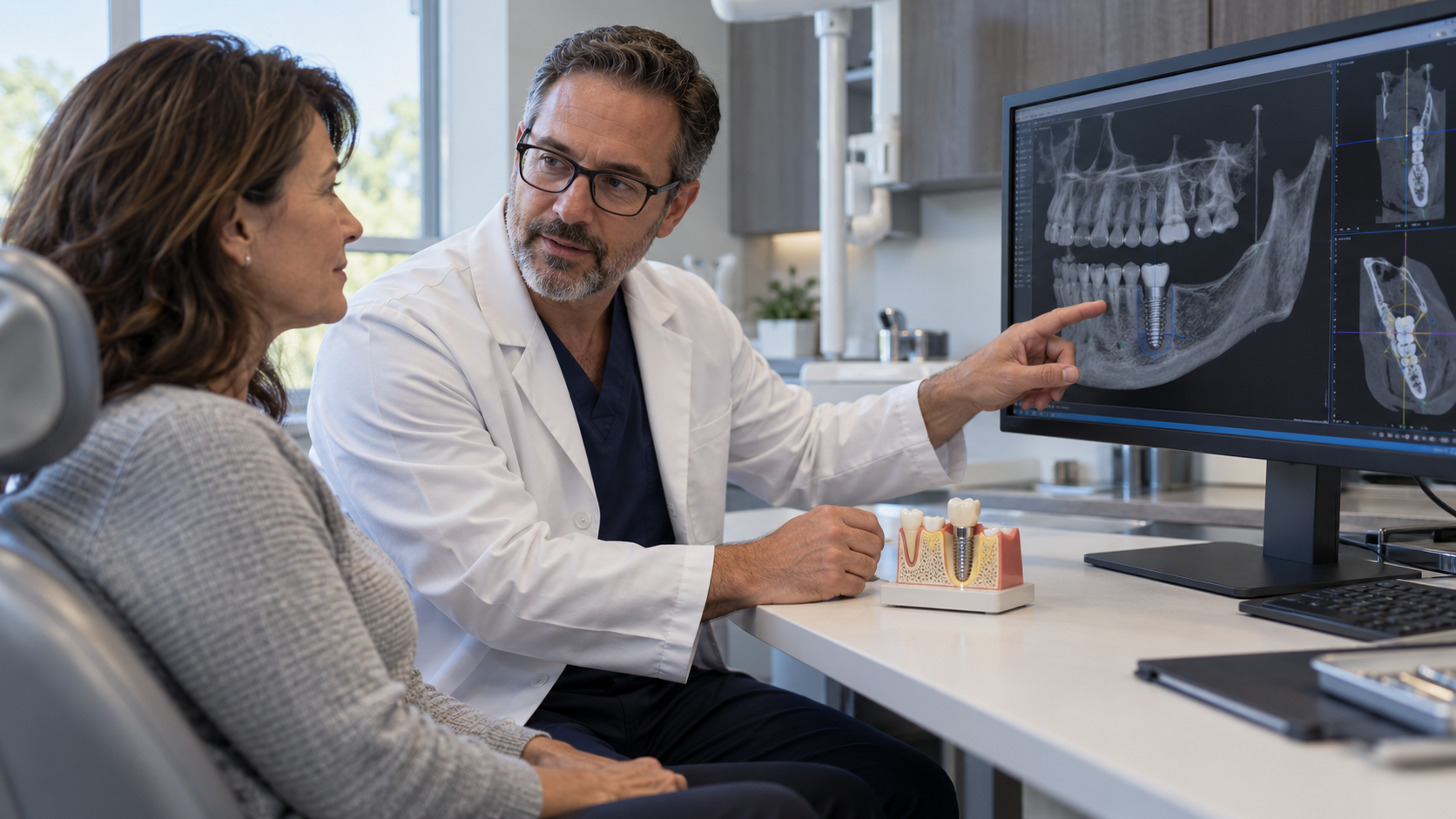
The team will compare the current appearance with your original treatment plan and examine the implant area and any attached component. If needed, appropriate instruments or imaging may be used to assess the site.

The goal is to confirm whether healing is on track and whether the cap is present and stable. The practice’s implant recovery guide also explains how follow-up visits fit into the broader healing process.

Report a Change in Your Healing Cap

Dr. Arun Vashisht, PISH’s prosthodontist and co-owner, says one of the most useful details a patient can share is whether the cap was visible before and roughly when that changed. The team can compare that information with the original plan and advise on next steps.

If your implant was placed by PISH and a visible cap now appears covered, loose, or missing, contact Periodontal and Implant Surgeons of Houston at (281) 389-2057. Do not try to uncover or replace the component yourself.


Frequently Asked Questions