periodontal and dental implants logo 01
Medically Reviewed By Periodontal & Implant Surgeons of Houston
6 August 2026
[aioseo_breadcrumbs]

Searching for a TMJ specialist usually starts after weeks or months of a symptom that doesn’t quite fit anywhere else. A clicking sound when opening the mouth, tension headaches that seem to originate near the jaw, or a dull ache around the ear that isn’t explained by anything an ENT has found can all lead patients to wonder whether they need a TMJ evaluation. 

Part of the confusion starts with terminology. TMJ refers to the temporomandibular joint itself, the hinge connecting the jawbone to the skull. TMD, temporomandibular disorder, describes the range of conditions that can affect that joint and the surrounding muscles. Most people use “TMJ” to describe both the joint and the disorder, which is understandable but adds to the confusion about where to start.

Should I See a Dentist or a Physician for Jaw Pain?

The answer depends on the nature of the symptoms. A dentist or prosthodontist with experience evaluating TMD can be a reasonable starting point when symptoms are localized to the jaw, involve clicking or popping during movement, or seem connected to jaw function or clenching.  A physician becomes the more appropriate first stop when symptoms include neurological signs, significant facial numbness, or when jaw pain accompanies other systemic symptoms that suggest a broader medical evaluation is warranted.

For most patients experiencing jaw clicking, facial discomfort localized to the jaw and temple area, or bite-related tension, a bite evaluation with a dentist experienced in TMD is a reasonable first step.

Does Painless Jaw Clicking Always Need Treatment?

Jaw clicking without pain, without limitation in opening the mouth, and without any functional interference is common and does not automatically require intervention. Clicking becomes clinically significant when it is accompanied by pain, when it interferes with normal jaw movement, or when it has developed alongside other symptoms like headaches or facial discomfort.

This distinction matters because it shapes the appropriate response. Painless clicking observed without other symptoms is often reasonable to monitor rather than treat immediately.


Can TMD Cause Headaches or Ear-Area Pain?

Yes. TMD can sometimes contribute to pain in the temples, face, or area around the ears because the jaw joints and surrounding muscles are closely connected to these areas. The muscles involved in jaw function are closely connected to the muscles at the temples and around the ear. Tension or dysfunction in the jaw joint and surrounding musculature can refer to pain in these areas, producing headaches that feel similar to tension headaches or discomfort that feels like an ear problem despite normal findings on ENT evaluation.

Patients who have had ear pain evaluated by an ENT physician without a clear cause, or who experience headaches that seem to correlate with jaw movement or clenching, may benefit from discussing their symptoms with a dental professional experienced in TMD. 

A Patient Presentation Worth Understanding

An patient came to Periodontal and Implant Surgeons of Houston after months of intermittent headaches and a clicking sensation in the jaw that had become more noticeable over time. The patient had already seen a physician for the headaches, with no clear findings, and was uncertain whether a dentist was even the right type of provider to evaluate the issue.

Dr. Arun Vashisht describes the approach taken in cases like this: : ”The first goal in any TMD evaluation is understanding what’s actually happening rather than moving straight to a treatment decision. That means a structured history, a physical evaluation of jaw movement and muscle tenderness, and imaging when it’s clinically indicated. Irreversible treatment is not the starting point. Diagnosis is.”

What Imaging May Be Used During a TMD Evaluation

Depending on the clinical presentation, imaging can include panoramic X-rays to assess the joint structure broadly, or more detailed imaging such as CBCT when a closer look at the joint anatomy is warranted. Not every TMD evaluation requires advanced imaging. The decision depends on the specific symptoms and findings from the clinical exam.

When Do Jaw Symptoms Require Urgent Medical Attention?

Certain presentations fall outside the scope of a routine TMD evaluation and require urgent care instead. Jaw pain following significant trauma, sudden inability to open or close the mouth, jaw pain accompanied by difficulty breathing or swallowing, or symptoms suggesting a possible fracture all warrant immediate medical evaluation rather than a scheduled dental consultation.

For the more common presentation of gradual jaw clicking, tension, or discomfort without trauma, a scheduled bite evaluation in Houston is the appropriate next step.

What a TMD Evaluation at PISG Involves

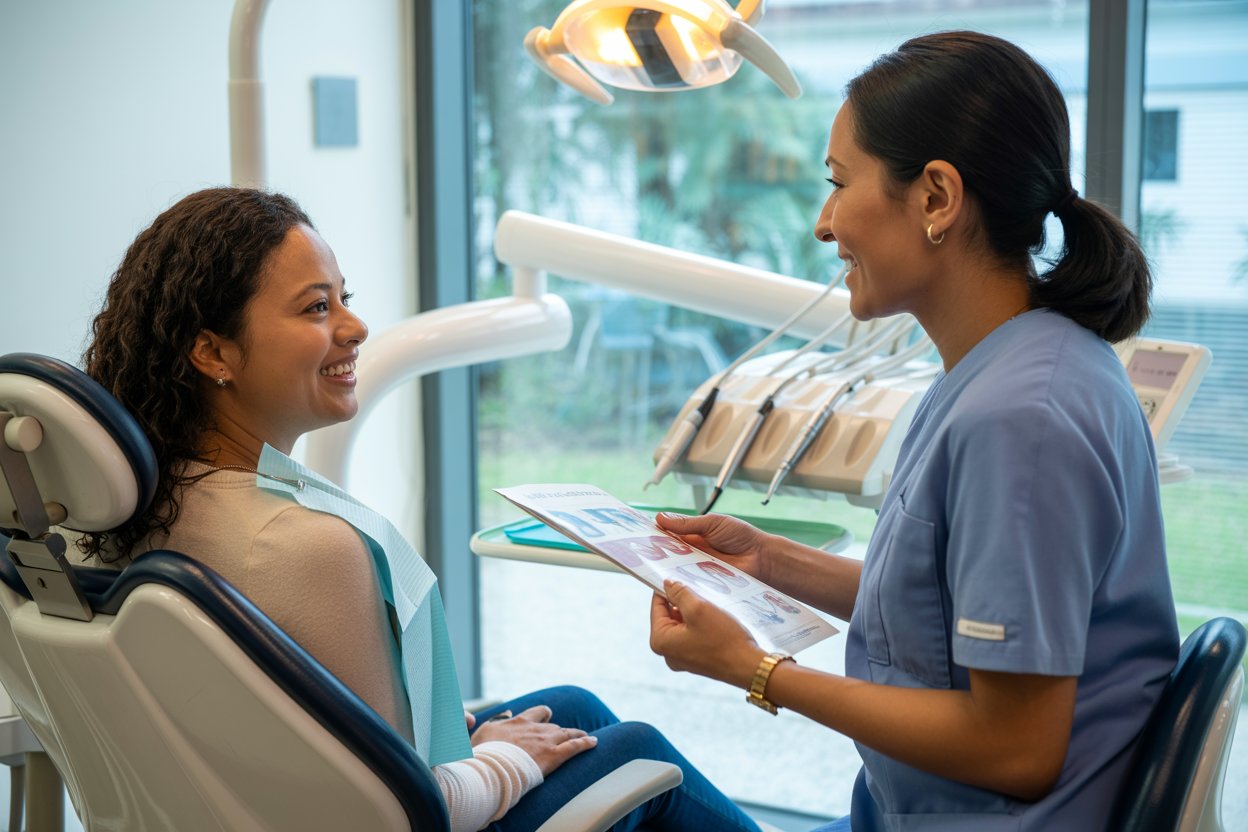
Periodontal and Implant Surgeons of Houston approaches TMD evaluation as a diagnostic process first. A structured history, assessment of jaw movement and joint sounds, evaluation of muscle tenderness, and imaging when clinically indicated all inform an understanding of what’s actually happening before any treatment, reversible or otherwise, is discussed.

For patients researching a jaw pain specialist near Memorial Houston or elsewhere in the city, the starting point should always be identifying the source and severity of the problem, not selecting a treatment before that diagnostic step has occurred.