periodontal and dental implants logo 01
Medically Reviewed By Periodontal & Implant Surgeons of Houston
19 December 2025
Home » Dental Implants » Prosthodontist in Houston » Why Do Dental Implants Hurt? Common Causes, Fixes, and When to See a Prosthodontist in Houston
 dentistry-team-doing-dental-implants

Dental implants have one of the highest success rates in modern dentistry, yet many Houston patients still feel confused or concerned when they experience pain around an implant. Some discomfort is normal during early healing, but pain that continues, worsens, or returns later is a sign that something needs attention.

This guide breaks down why dental implants hurt, the common causes of discomfort, the right way to address each issue, and when it’s time to see a prosthodontist in Houston for expert evaluation. Throughout the article, you’ll also learn why many patients choose specialists like Dr. Arun Vashisht, a trusted prosthodontist with over 19 years of experience handling complex implant cases in Houston.

Is It Normal for Dental Implants to Hurt? Understanding What’s Expected

Before assuming something is wrong, it helps to know what “normal” dental implant pain looks like.

Most patients experience:

  • Mild soreness for 48–72 hours
  • Slight bruising near the implant site
  • Tenderness when biting or brushing
  • Minor swelling
  • Temporary gum sensitivity

This type of discomfort usually improves with prescribed medication and proper home care. If the pain feels manageable and consistently decreases, it’s a standard part of healing.

However, pain that increases, persists, or feels sharp or throbbing may signal a complication that needs attention.


Common Causes of Dental Implant Pain

Below are the most frequent reasons dental implants hurt. Some are simple to fix; others require a prosthodontist’s expertise.

1. Normal Healing Pain

Even a perfectly placed implant needs time to integrate with your jawbone. The first few days often involve mild soreness as tissues heal.

What It Feels Like

  • Dull ache
  • Tenderness around the gum tissue
  • Mild swelling
  • Low-grade discomfort while chewing

When to Worry?

If discomfort lasts longer than 10–14 days, it’s worth checking in with your provider.

2. Gum Infection (Peri-Implant Mucositis)

This is one of the most common causes of implant discomfort. When plaque builds up around the implant, the gums become inflamed.

What It Feels Like

  • Red, swollen gums
  • Tenderness when brushing
  • Slight bleeding
  • Bad breath or unpleasant taste

Why It Happens

  • Poor oral hygiene
  • Smoking
  • Diabetes
  • Existing gum disease

When caught early, this infection is reversible.

3. Implant Infection (Peri-Implantitis)

If early gum inflammation goes untreated, it can progress deeper and affect the bone around the implant.

This is more serious and requires specialist care.

What It Feels Like

  • Throbbing pain
  • Loose implant
  • Pus or swelling
  • Radiating discomfort to the jaw or ear
  • Persistent bad taste

Peri-implantitis is one of the leading causes of implant failure, which is why most patients with these symptoms are referred to a prosthodontist in Houston experienced in implant complications.

4. Bite Misalignment

If the implant crown does not align properly with your bite, too much pressure is placed on the implant during chewing.

What It Feels Like

  • Pain when chewing on specific foods
  • Sharp discomfort around the implant
  • Jaw soreness

A misaligned bite can damage the implant over time, so early correction is important.

5. Loose Healing Cap or Abutment

Sometimes a small component—like the healing cap or abutment—loosens, causing irritation or pain.

What It Feels Like

  • Metallic taste
  • Clicking sound
  • Gum irritation
  • Localized pain

This issue is usually simple to fix in one visit.

6. Nerve Irritation

Although rare, improper positioning of an implant can irritate sensory nerves in the jaw.

What It Feels Like

  • Tingling
  • Burning sensation
  • Numbness
  • Shooting pain into the lip or chin

A prosthodontist trained in advanced 3D planning can evaluate and correct this.

7. Sinus Complications (Upper Jaw Implants)

When implants in the upper jaw sit too close to the sinus cavity, discomfort or pressure may occur.

What It Feels Like

  • Pressure near the cheekbones
  • Sinus congestion
  • Dull ache when bending forward

This may require adjustment or additional grafting support.

8. Bone Loss Around the Implant

If the bone around the implant is thinning or failing to integrate, the implant can become unstable.

What It Feels Like

  • Deep, aching pain
  • Movement of the implant
  • Gum recession around the implant

Bone loss requires specialist treatment and early detection is essential.


How to Manage Dental Implant Pain at Home

While professional care is important for serious issues, some simple steps help relieve short-term discomfort.

  • Use warm saltwater rinses to soothe the gums
  • Take prescribed or recommended pain relievers
  • Apply cold compresses during the first 24 hours
  • Eat soft foods until swelling reduces
  • Brush gently around the implant
  • Avoid smoking, which slows healing

If modest home care does not help within a few days, scheduling an evaluation is recommended.

When Should You See a Prosthodontist in Houston?

Certain signs indicate that your implant pain is not normal healing and needs expert attention:

  • Pain lasting more than 10 days
  • Throbbing or sharp pain
  • Implant feels loose
  • Gum swelling or bleeding continues
  • Pus or discharge from the site
  • Difficulty chewing
  • Persistent bad taste or odor
  • Numbness or tingling
  • Pain worsens instead of improving

Prosthodontists have advanced training in complex implant placement, bite alignment, and complications, making them the ideal specialists for unresolved implant pain.

In Houston, many patients seek evaluation from Dr. Arun Vashisht, a board-certified prosthodontist known for handling complicated dental implant cases—including infections, loose implants, peri-implantitis, and implant failures. With nearly two decades of clinical experience, he uses detailed imaging, digital planning, and evidence-based techniques to restore comfort and function with precision.


How a Houston Prosthodontist Diagnoses Implant Pain

A thorough implant evaluation typically includes:

  • Clinical examination of gums and surrounding tissues
  • 3D CBCT scan to assess bone structure
  • Bite analysis
  • Gum probing to detect inflammation
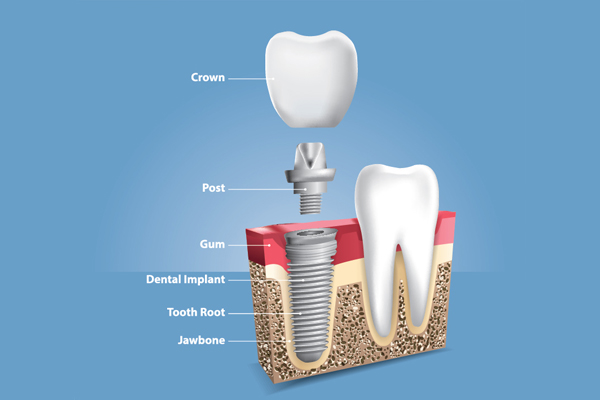
  • Assessment of implant components (crown, abutment, implant body)
  • Review of medical history and lifestyle factors

This structured approach helps identify the exact cause—whether minor irritation or a deeper issue like bone loss or infection.


Treatment Options for Dental Implant Pain

Once the cause is identified, common treatments include:

  • Deep cleaning around the implant
  • Bite adjustment
  • Antibiotics for infection
  • Replacement of a loose cap or abutment
  • Regenerative gum or bone treatment
  • Laser therapy to reduce inflammation
  • Surgical decontamination
  • Implant removal and replacement (in severe cases)

A prosthodontist ensures that treatment is tailored to your specific implant type, bone condition, and long-term goals.


How to Prevent Implant Pain in the Future

Good long-term habits reduce the risk of discomfort:

  • Brush and floss daily
  • Schedule regular professional cleanings
  • Avoid smoking or vaping
  • Follow your surgeon’s aftercare instructions
  • Wear a nightguard if you grind your teeth
  • Maintain healthy blood sugar levels (for diabetic patients)

Preventive care helps protect the integrity of your implant and surrounding bone.


Why Many Houston Patients Trust Prosthodontists for Implant Problems

General dentists manage many straightforward implant cases. However, when pain persists or complications develop, a prosthodontist is trained to handle the complexities.

Patients in Houston choose specialists like Dr. Arun Vashisht because of:

  • Advanced training in implant complications
  • Expertise in bite correction and full-mouth restoration
  • Access to high-precision digital tools
  • Experience with failing implants, bone loss, and difficult prosthetics
  • Focus on long-term stability and aesthetics

Soft, natural positioning in educational content helps readers build trust without feeling like the article is promotional.

If your dental implant pain isn’t improving—or if something simply doesn’t feel right—don’t wait for it to worsen. Early evaluation can often prevent larger problems and help protect the long-term success of your implant.

Schedule a Consultation With a Prosthodontist in Houston


FAQs About Dental Implant Pain