periodontal and dental implants logo 01
Medically Reviewed By Periodontal & Implant Surgeons of Houston
10 June 2026
Home » Dental Implants » How Long Do Dental Implants Last? Lifespan & Care Guide

How Long Do Dental Implants Last?Dental implants cost more than any other tooth replacement option. They involve surgery. They require months of healing. For someone sitting across from a clinician weighing all of that, the quintessential question underneath every other is whether an implant is permanent?

For many patients, the first question is how long do dental implants last, especially when weighing the cost and commitment involved in treatment.

What the Research Actually Says

Dental implants that are placed and maintained correctly have survival rates of above 95% at the 10 years mark. Studies tracking patients who have implants beyond 20 years show the majority of implants still functioning well. There are documented cases of implants lasting 40 or 50 years in patients who received them in the early days of modern implant dentistry.

So are dental implants permanent? Research on how long do dental implants last consistently shows excellent long-term survival rates when implants are properly placed and maintained. The titanium post is designed to be a long-term replacement for the missing tooth root. Once it successfully integrates with the jawbone, many implants can function for decades with the right conditions and ongoing care.

What has a shorter lifespan is the crown attached on top of the post. A porcelain or zirconia crown absorbs chewing force every day. Over ten to fifteen years, crowns may wear, chip, or need replacement, while the implant beneath them remains intact. The important distinction to understand is that the implant itself and the crown sitting on it are two different things with two different timelines.

What Shapes Implant Lifespan

Several factors influence how long a dental implant lasts, including the condition of the jawbone, implant planning and placement, oral hygiene habits, overall health, and the amount of daily pressure placed on the implant. 

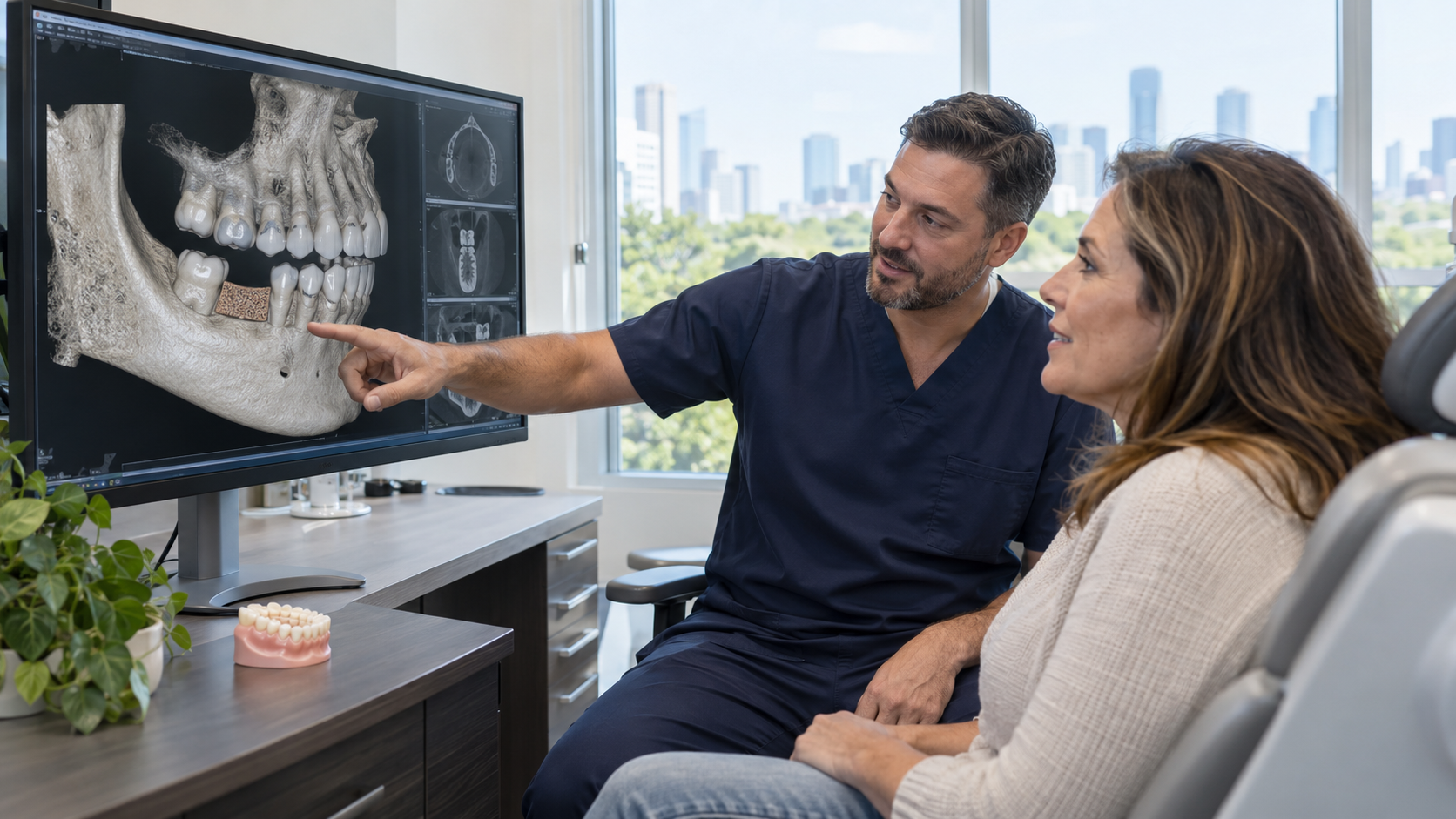
Bone density at the time of placement is the foundation of the implant. An implant placed into dense, healthy bone achieves strong initial stability and integrates reliably. An implant placed into compromised bone, whether from years of tooth loss, gum disease, or systemic conditions, faces a harder integration process. This is why the pre-surgical evaluation matters so much. The bone situation has to be addressed, so bone grafting could be employed where it’s needed. 

The implant system used matters more than patients typically realize. Implant components are not interchangeable commodities. Surface technology, connection design, and material quality affect how well the implant integrates and how the system performs under years of functional load. The literature behind a given implant system like how many cases, over how many years, with what outcomes is something worth asking about specifically.

Finally, a patient’s long-term habits play an important role in implant health. While some factors are outside a patient’s control, daily care, regular monitoring, avoiding smoking, and managing health conditions that affect healing can all support better outcomes. Implants do not decay the way natural teeth do. But the gum and bone tissue around them can develop inflammatory disease (called peri-implantitis) that progressively destroys the bone supporting the implant. Peri-implantitis is caused by the same bacterial buildup that causes gum disease. It responds to the same preventive measures. And it is the leading cause of implant failure in otherwise successful cases.

Dr. Vashisht on What Longevity Actually Requires

Dr. Arun Vashisht, co-founder of Periodontal and Implant Surgeons of Houston, is direct with every implant patient about what the long-term picture looks like. “An implant placed well, in good bone, with good maintenance can genuinely last decades. I have seen cases in literature that support that. What I have also seen is implants that failed at a five or six year mark because the patient stopped coming in for follow-up care.”

He notes that implant lifespan is not something a clinician can fully guarantee. “I can give a patient every advantage at placement. But the biology responds over years and decades, and that response depends on how the patient takes care of their mouth during that time. I want patients to understand that they are partners in the outcome, not just recipients of a procedure.”

Dental Implant Maintenance: What It Actually Involves

The maintenance protocol for implants is simpler than many patients expect, and similar to what healthy natural teeth require. Brushing twice a day, flossing and regular professional cleanings form the baseline.

A professional cleaning appointment for implant patients is different from a standard hygiene visit. Instruments used around implants are specifically designed not to scratch or damage the implant surface, and the clinical team checks for any early signs of tissue inflammation that could indicate peri-implantitis developing and act towards building a management plan for the condition. 

The frequency of professional care depends on the individual patient’s risk profile. Some implant patients do well with standard twice-yearly visits. Others with a history of gum disease or higher bacterial load benefit from more frequent monitoring.

Long-Term Monitoring at Periodontal and Implant Surgeons of Houston

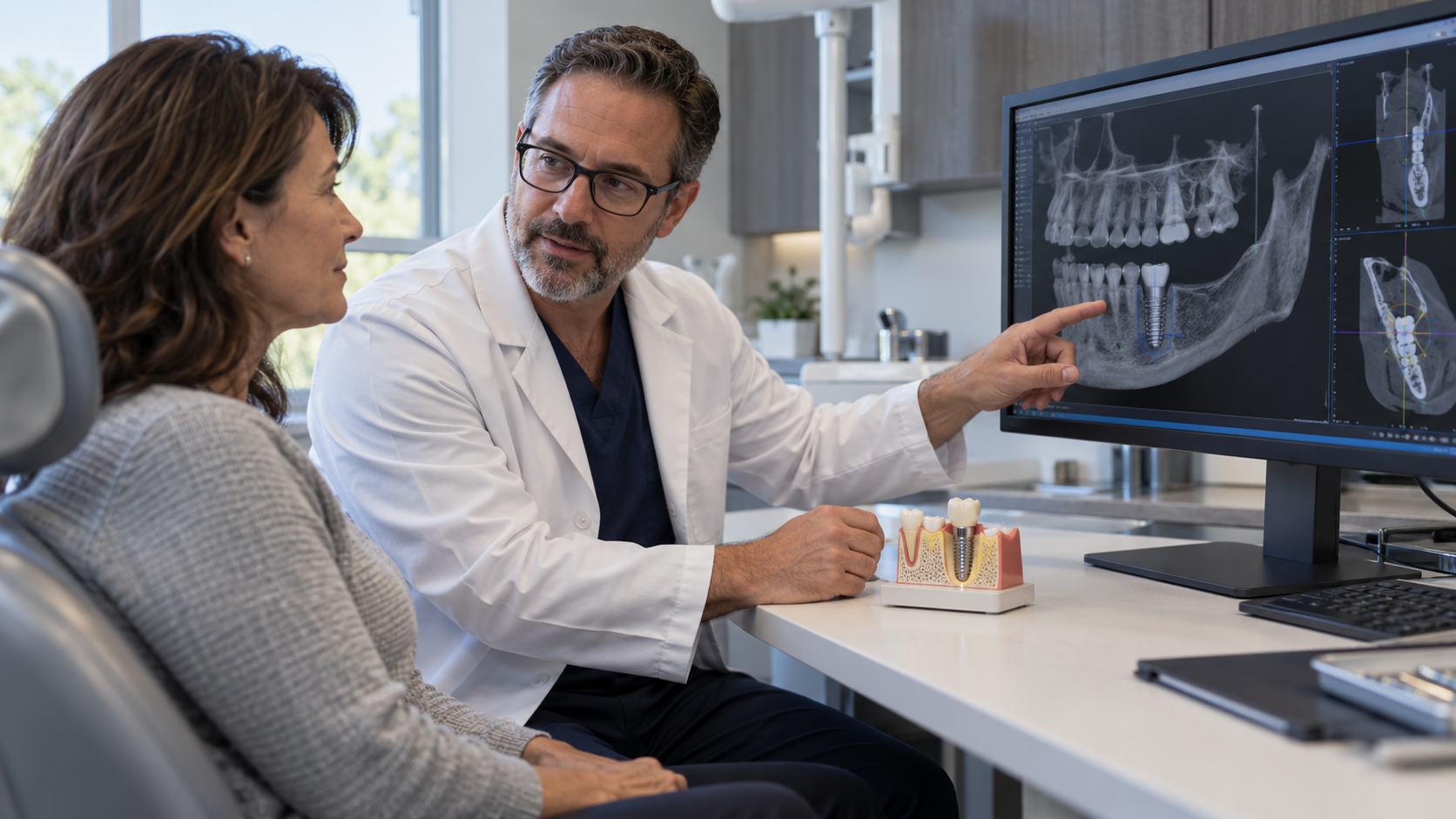
The team at Periodontal and Implant Surgeons of Houston does not treat implant placement as a finished procedure and every implant patient has a follow-up protocol built into their care plan with appointments to verify integration, check tissue health around the implant, assess the crown for wear, and review X-rays to confirm if bone levels are stable over time.

This ongoing relationship is part of what long-term implant success actually requires. An implant placed five years ago and never monitored is in a very different position from one that has been reviewed and maintained consistently.

A Practical Note

Long-lasting implants usually come from a combination of careful placement, healthy surrounding tissue, and continued attention after treatment. The goal is more than getting the implant in place; it is to keep the foundation around it healthy over time. 

Dental implant maintenance, long-term monitoring, and a clinical conversation about implant lifespan are a part of every case at Periodontal and Implant Surgeons of Houston.

Dr. Vashisht and the team are at 2600 S. Gessner Rd., Ste. 304, Houston, TX 77063.
Call +1 (281) 389-2057 or visit dentalimplantsathouston.com to schedule. Please consult your dental specialist regarding the longevity expectations specific to your case and health history.