periodontal and dental implants logo 01
Medically Reviewed By Periodontal & Implant Surgeons of Houston
12 June 2026
Home » All-on-4 treatment » All on 4 Implants for Severe Bone Loss: What to Know
All on 4 Dental Implants

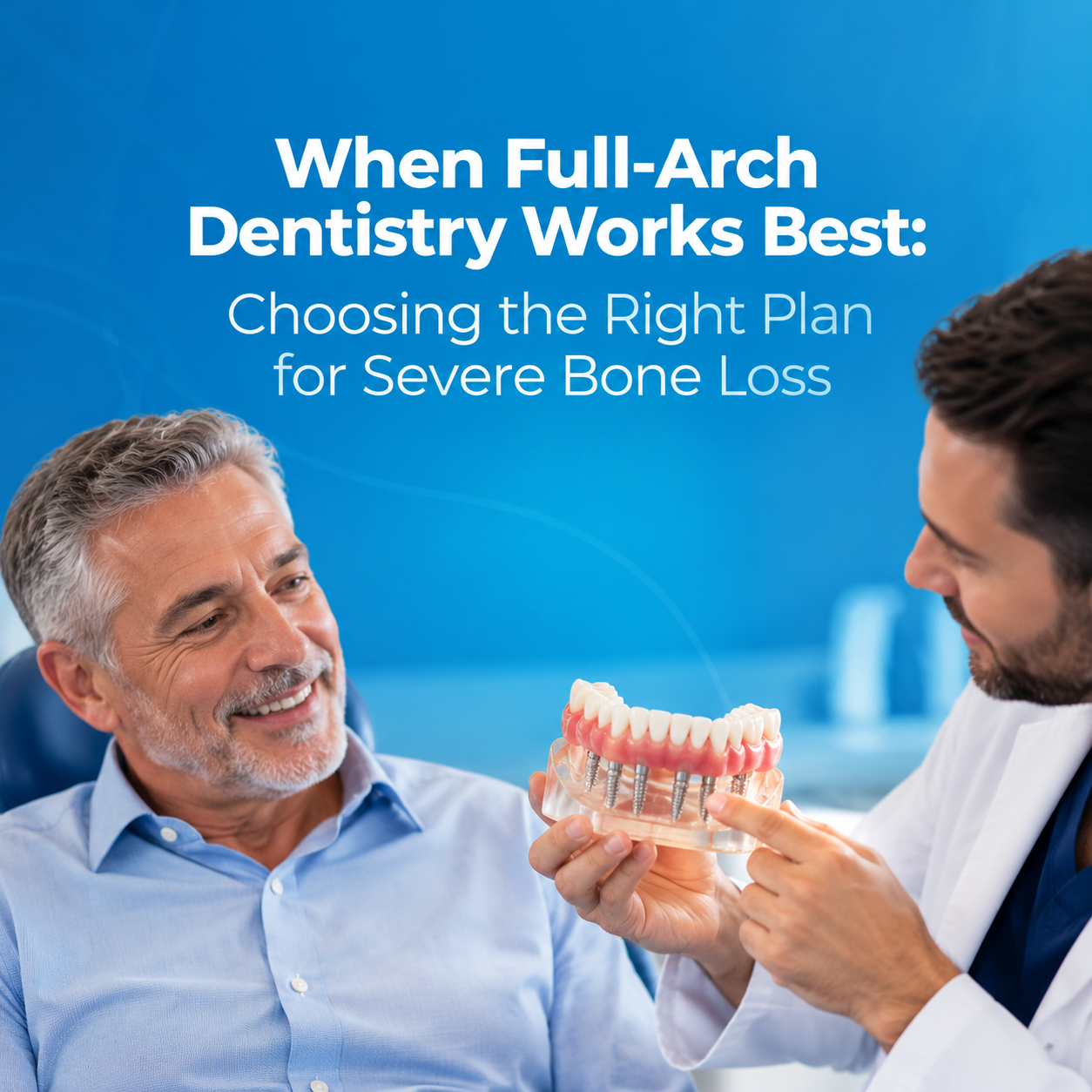
For patients dealing with multiple failing teeth or complete tooth loss, All on 4 implants are often one of the treatment options they come across while searching for a more stable, long-term solution.

The procedure is designed to support a full arch of replacement teeth using strategically placed implants, often allowing patients to move away from traditional removable options when they are the right candidate.

All on 4 dental implants in Houston are one of the most searched solutions for full arch tooth loss. The procedure was specifically designed to work around bone loss, which is why it matters for patients who have experienced significant jaw deterioration.Though, there are limits, and understanding them is what makes the difference between a treatment plan that holds and one that does not.

What All on 4 Was Built to Do

When teeth are lost and nothing replaces them, the jawbone breaks down or resorbs. The body stops investing density in bone that has nothing to support. Over months and years, the ridge that once held teeth shrinks in height, width and density. Traditional implant placement requires a certain bone volume at each implant site. Patients with significant bone loss often cannot meet that threshold, which historically meant extensive grafting before any implant work could begin.

All on 4 implants were developed to address this. Four strategically positioned implants can support a full arch prosthetic without requiring the bone volume that conventional multi-implant placement demands.

For some patients, this creates an important clinical advantage. For others, their anatomy, bone levels, or long-term goals may point toward a different approach. 

Severe Bone Loss: Where the Limits Are

All on 4 implants depend on having the right bone support in the right areas. When bone loss is more advanced, the treatment plan may need to be adjusted based on the patient’s specific anatomy. 

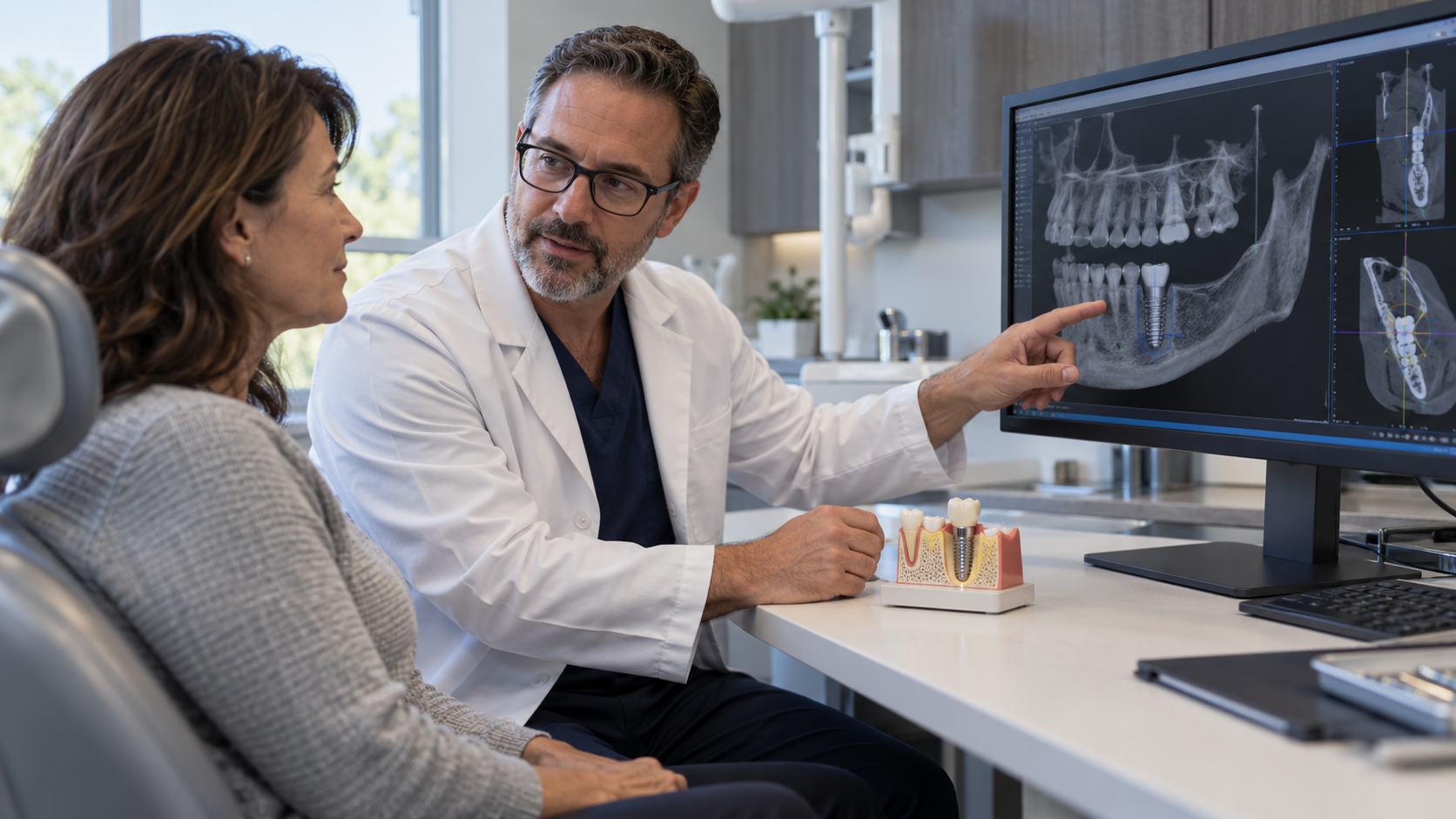
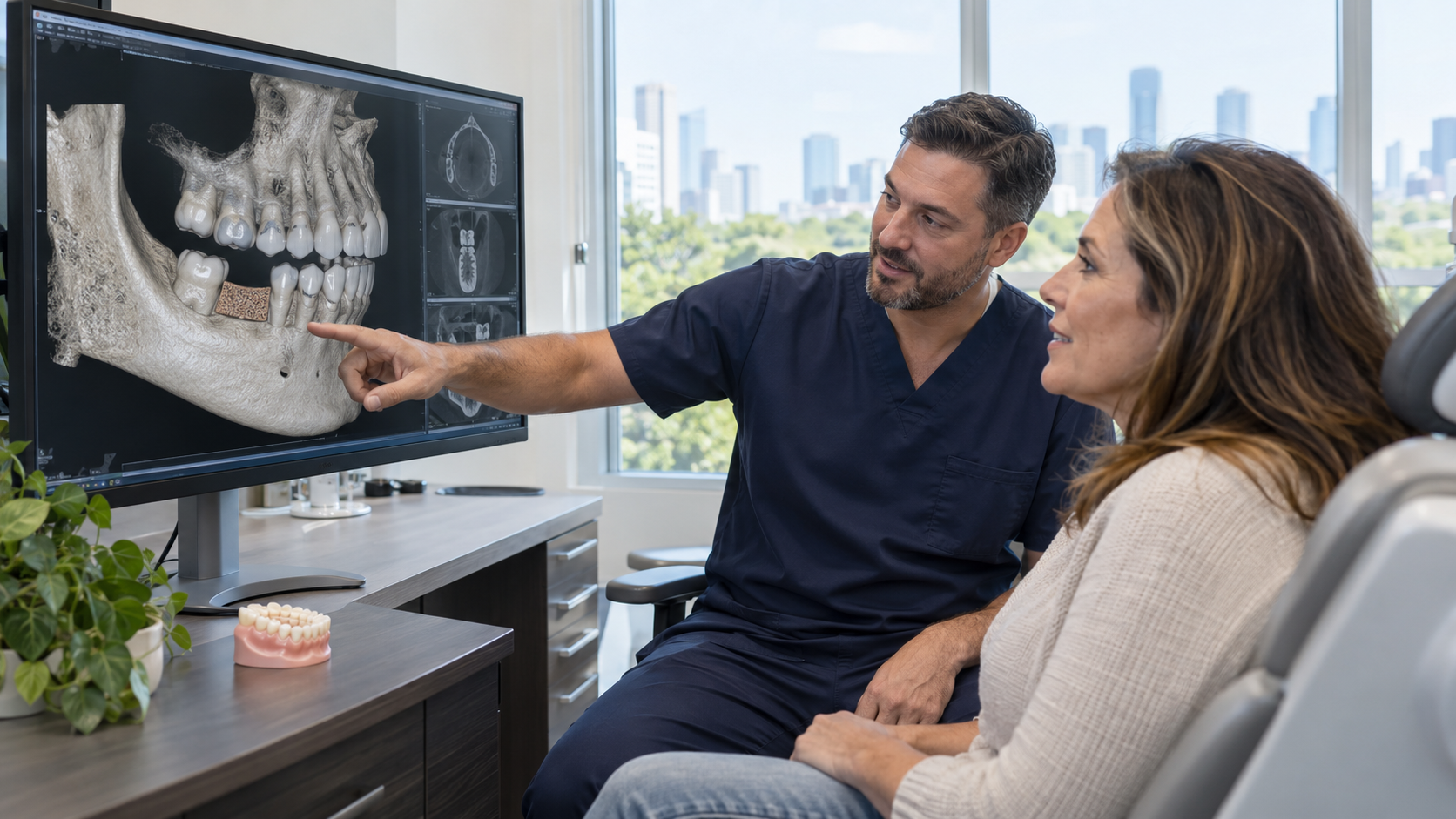
Factors such as bone height, bone width, and the position of important anatomical structures all influence implant planning. Cone Beam CT imaging helps the specialist understand these details before recommending a specific approach. 


Patients who walk into a consultation expecting All on 4 implants are often surprised to encounter this possibility. Many read online that All on 4 implants are designed for people with bone loss. They are, but within limits that an X-ray (not a website) determines.

If standard All on 4 placement is not the best match for a patient’s anatomy, other solutions may be considered. These can include zygomatic implants that anchor into the cheekbone rather than the jaw in cases of extreme maxillary bone loss, or implant-supported dentures with a different implant configuration better suited to the available bone. None of these is a failure of the patient or of the treatment concept. They are the clinical responses to a bone situation that requires more than the standard approach.

Why Planning Matters More Than the Marketing Phrase

All on 4 implant clinic is a phrase that appears in a lot of advertising. In some contexts it refers to a practice with specific training, specific imaging protocols, and a genuine evaluation process for candidacy. In others, it is just a term applied to any practice offering some version of full arch implant care.

The difference matters because full arch implants represent a significant surgical and financial commitment. A patient who is told they are a candidate without adequate imaging, assessment of bone density or anatomy and a conversation about what happens if the bone situation is more complicated than expected, is at risk of a result that does not match the promise.

Dr. Arun Vashisht, co-founder of Periodontal and Implant Surgeons of Houston, frames the evaluation this way: “When a patient comes in asking about All on 4 implants, my first priority is to understand what their bone structure looks like. The cone-beam CT gives us a three-dimensional picture of what we are working with. That image is what determines whether All on 4implants are the right plan, if a modified version is needed, or if a different approach makes more sense for that patient’s anatomy.”

What the Evaluation at PISH Involves

Every full arch implant consultation at Periodontal and Implant Surgeons of Houston includes cone-beam CT imaging to assess bone volume, density, and anatomy in three dimensions. The imaging is reviewed with the patient so the findings are explained, not just acted on. Candidacy for All on 4 implants, for a modified approach, or for a preparatory procedure like grafting is guided by what that imaging shows rather than a one-size-fits-all treatment plan.  

The written treatment plan that follows itemizes what the case requires, what the options are at each decision point, and what the pathway looks like from evaluation through final restoration.

A Practical Note

Patients researching full arch implants should ask any clinic they evaluate: What imaging do you take before determining All on 4 implant candidacy? What happens if the bone assessment shows the standard approach is not viable? What is the alternative plan and what does it cost?

How a clinic answers those questions is more informative than any before-and-after photograph.

Periodontal and Implant Surgeons of Houston helps patients understand their full arch replacement options through detailed imaging, evaluation, and a treatment plan built around their individual needs. Dr. Vashisht and the team are at 2600 S. Gessner Rd., Ste. 304, Houston, TX 77063.

Call +1 (281) 389-2057 or visit dentalimplantsathouston.com to schedule a consultation.